
Pelletizing · Air-Cooled Strand Pelletizing
Air-Cooled Strand Pelletizing: How Kerke Builds It
Strands cooled on a long air conveyor — no water touches the pellet. The method for PLA, starch blends, PVC-free moisture-sensitive polymers and any product that must leave the line dry.
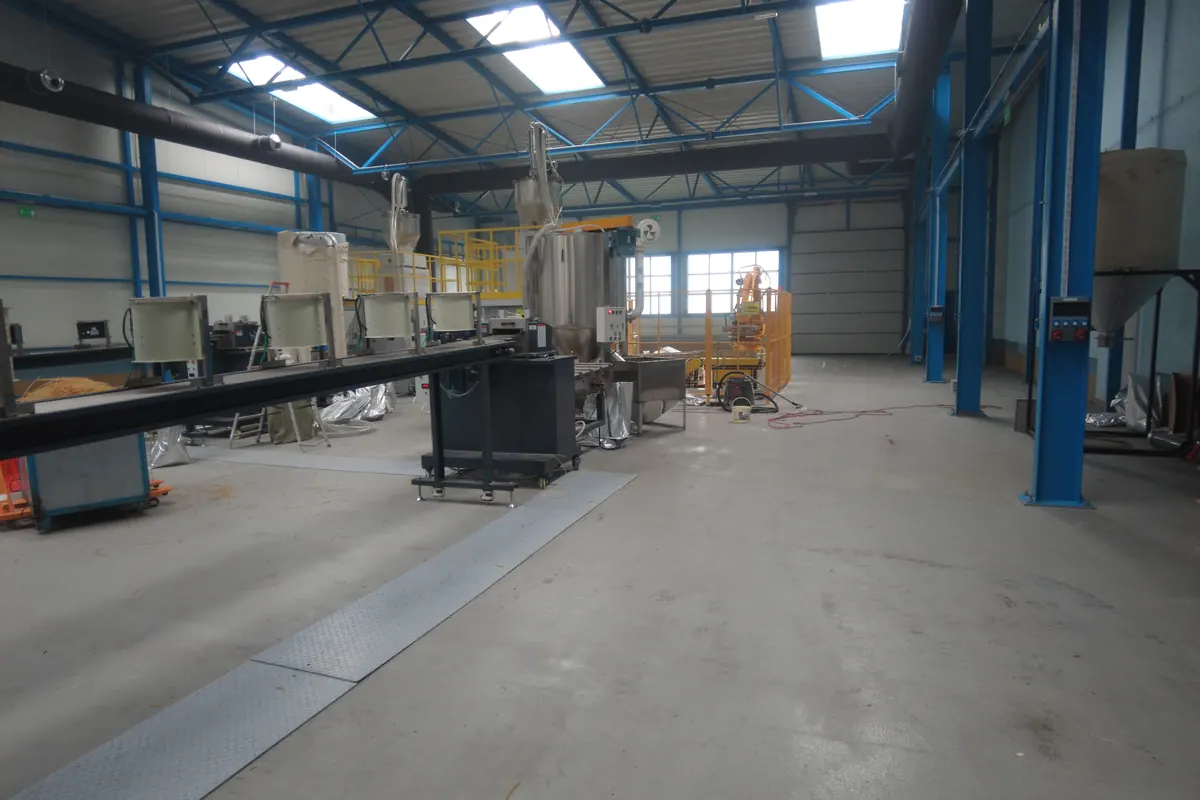 Air-Cooled Strand Pelletizing — workshop photo 1, Kerke workshop, Nanjing
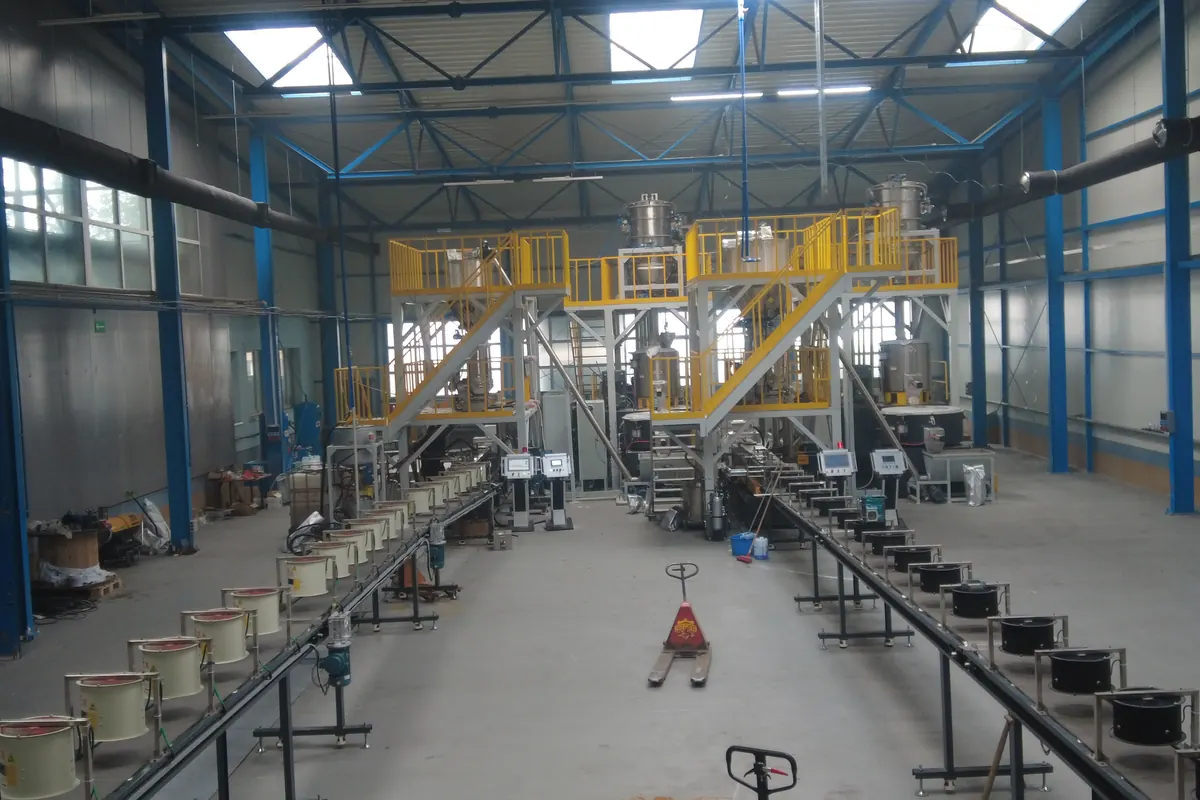 Air-Cooled Strand Pelletizing — workshop photo 2, Kerke workshop, Nanjing
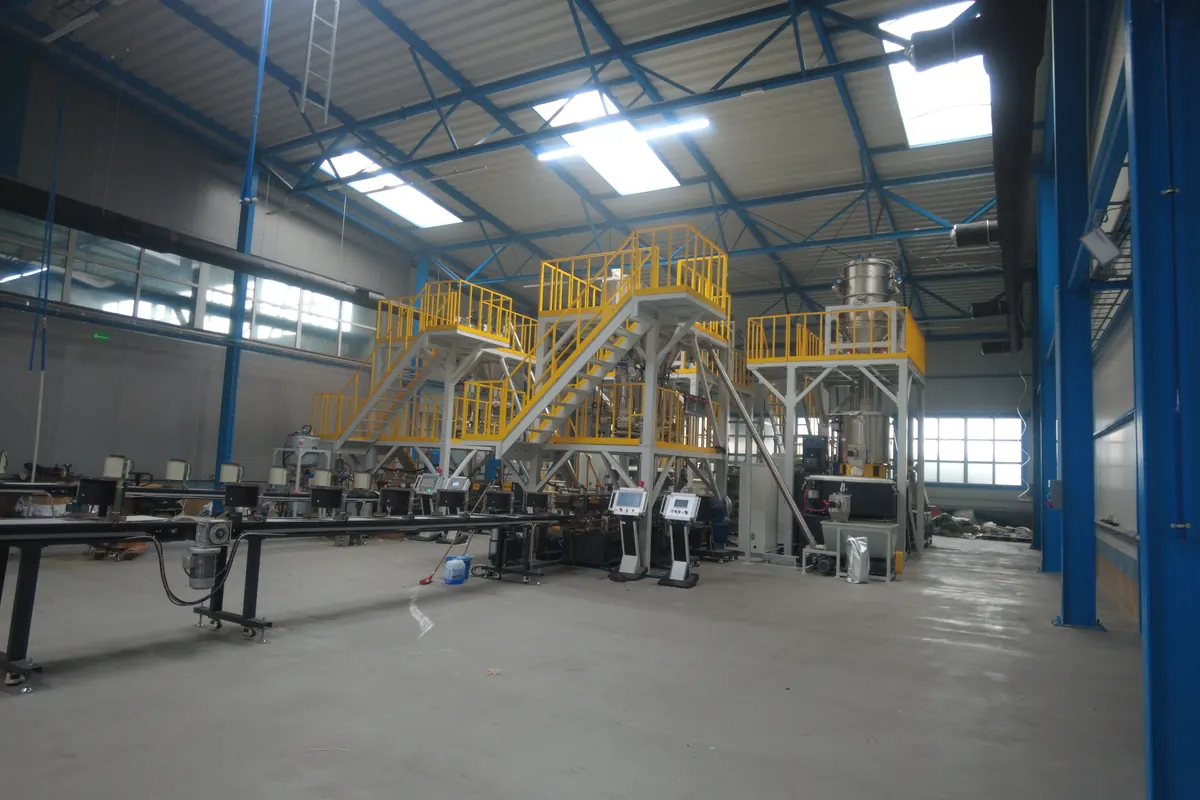 Air-Cooled Strand Pelletizing — workshop photo 3, Kerke workshop, Nanjing
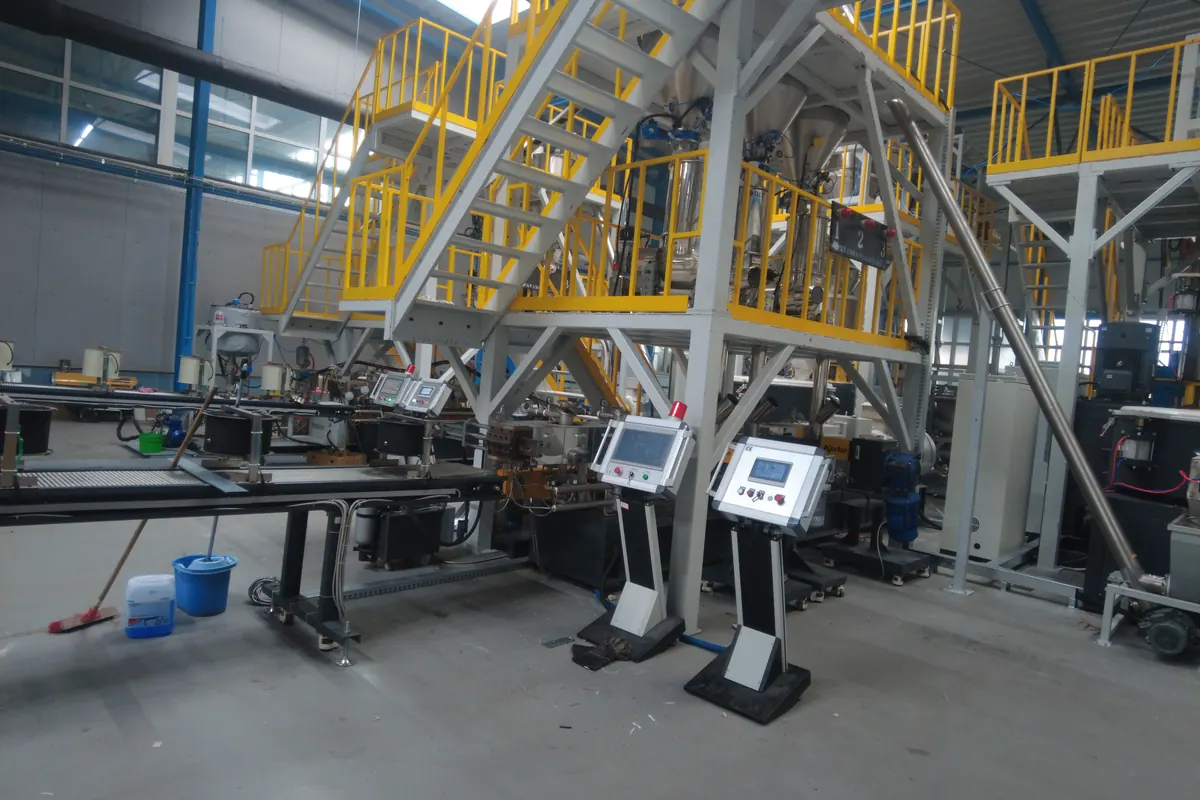 Air-Cooled Strand Pelletizing — workshop photo 4, Kerke workshop, Nanjing
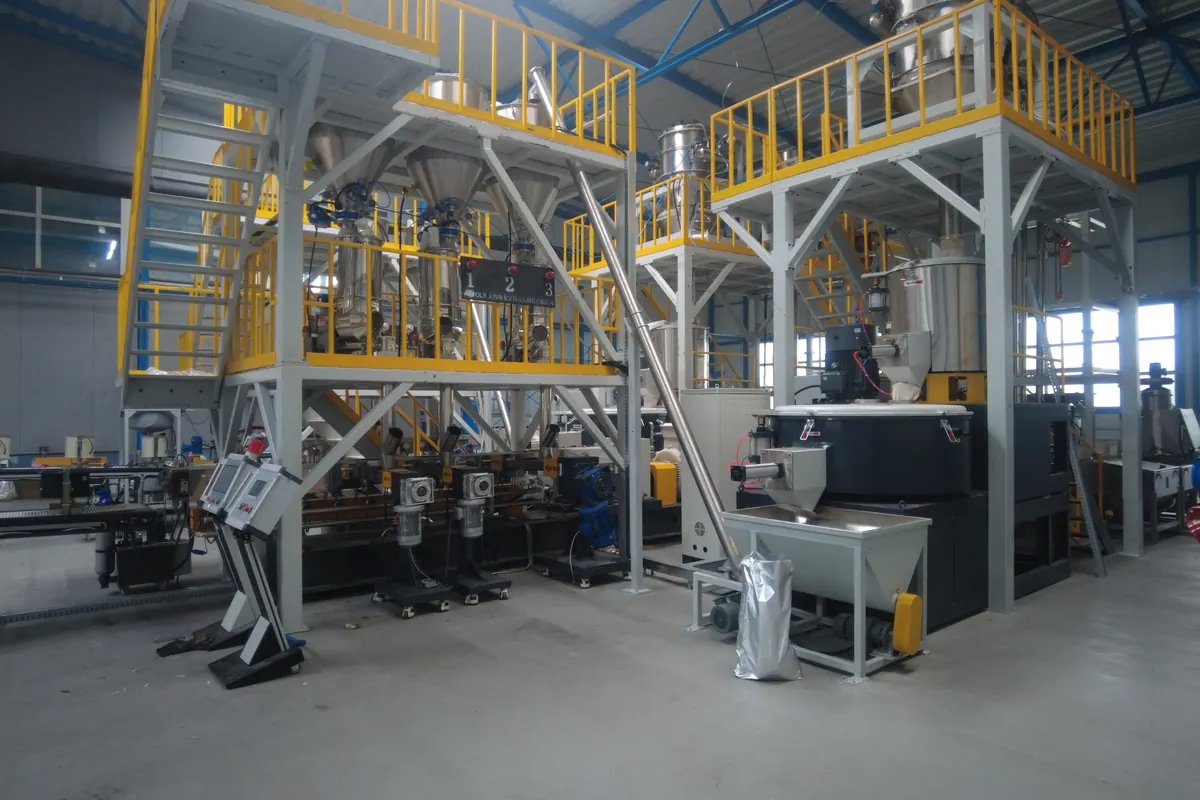 Air-Cooled Strand Pelletizing — workshop photo 5, Kerke workshop, Nanjing
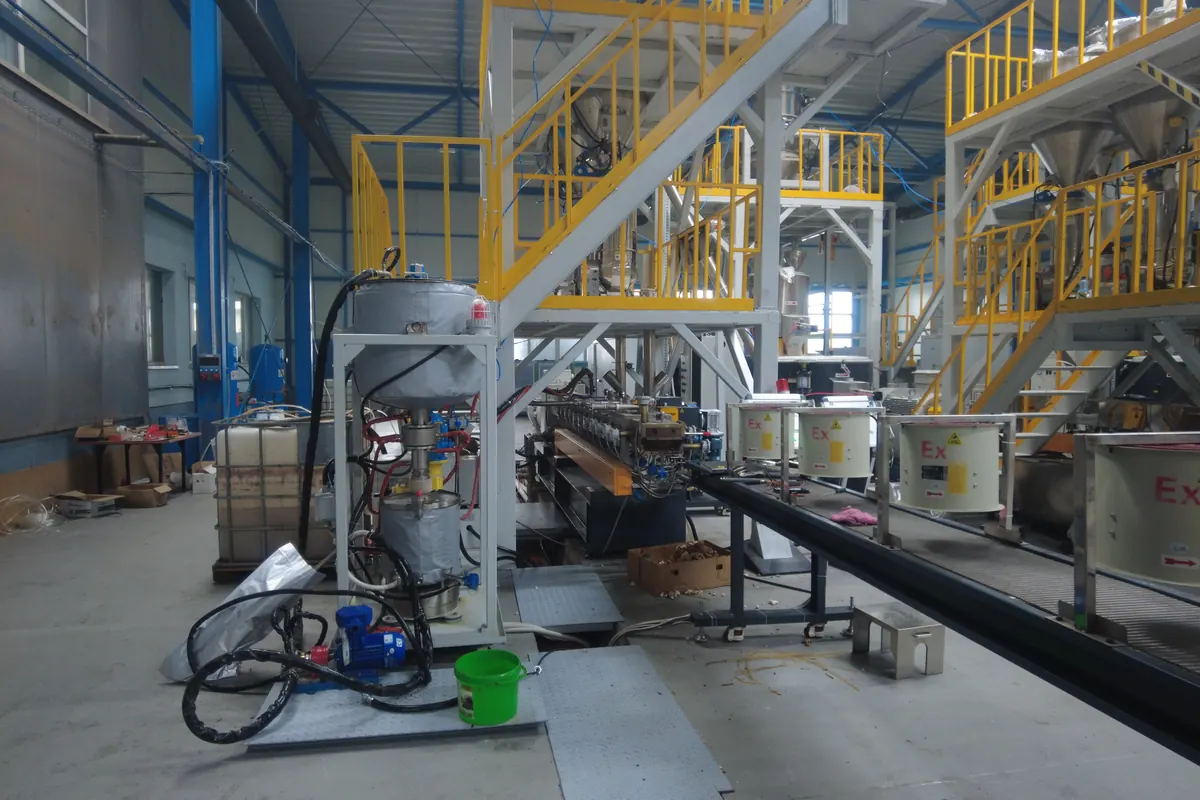 Air-Cooled Strand Pelletizing — workshop photo 6, Kerke workshop, Nanjing
Quick answer
Air-cooled strand pelletizing lets extruded strands cool on a 4–8 m air conveyor with fans from both sides, then cuts them dry. No water contact at all — the right answer for PLA and starch blends that would hydrolyze, for hot-wash sensitive masterbatches and for any customer whose downstream process cannot tolerate moisture.
Workshop photos — shot on our own lines in Nanjing, not stock images.
How the air-cooled strand pelletizing line works
- Strands exit the die and are laid onto a perforated stainless belt by a spreader guide.
- Cross-flow fans cool both strand faces over 4–8 m of conveyor travel.
- An ambient or dehumidified air section brings strands to near room temperature.
- Dry strands are cut in a pelletizer with a hood suction to collect dust.
- Pellets drop to a screener and packing station straight from the belt.
Where this method wins
Choose air-cooled strand when water is the enemy: PLA and PBS biodegradables, starch blends, some PA grades before post-crystallization, masterbatches with moisture-sensitive pigments, and laboratory or pilot lines where the product must stay absolutely dry. The trade-offs are a longer footprint and slower cooling, so output is normally capped at 800 kg/h.
Reference data
| Item | Value |
|---|---|
| Best for | PLA/PBS, starch blends, moisture-sensitive compounds, pilot lines |
| Output range | 100–800 kg/h |
| Pellet shape | Uniform cylinder, completely dry |
| Watch out | Slow cooling, longer line, strand sag in hot weather |
Reference output measured on the stated material family; subject to a material trial. Die hole count sets the capacity ceiling — check the die, not the label.
Selection notes from our floor
Strand cooling is mostly radiation and convection, so belt length sets the real ceiling. For PLA above 300 kg/h we add a second deck or chilled air — otherwise strands reach the cutter still soft and flatten. In summer plants above 35 °C, order the dehumidified air option.
FAQ
Why is air cooling slower than water?
Air transfers heat roughly 20–30 times less efficiently than water. The conveyor must give strands 60–90 seconds of travel, which sets the belt length and the output ceiling.
Can the line run both air and water cooling?
Yes — we build combined conveyors with a water trough section that can be bypassed. Many masterbatch plants order it when product mix includes both PET and PLA grades.
Does dust become a problem?
Dry cutting produces some fines. A hood with suction and a small cyclone keeps the workspace clean; fines can be reused at a few percent blend ratio.
Where these numbers come from
Output ranges, pellet shapes and watch-outs come from Kerke commissioning records and the pelletizing systems parameter table. Where a catalogue value and a trial value disagree, the trial value is the one we quote.
Reviewed by the Kerke process team, Nanjing. Page updated 11 November 2026.
Send 25–50 kg — we return pellets, a video and a report with the parameters we used, in 3–7 days.
Air-Cooled Strand Pelletizing — the short version
If moisture ruins your compound — PLA, PA with hydrolysis concerns, talc-filled HFFR — air-cooled strand keeps water out of the process entirely. The trade is a longer conveyor footprint and higher fan energy.
Related on this site: Pelletizing systems (all 7 methods) · Pelletizing methods compared · free extrusion line quotation