
Application · Biodegradable & PLA
Biodegradable Plastic Extrusion: Protect the Molecules
PLA, PBAT and starch blends degrade twice: once in the environment, which is the point, and once in the extruder, which is a scrap batch. The whole line is designed around the second one. A reference biodegradable plastic extrusion page from Kerke.
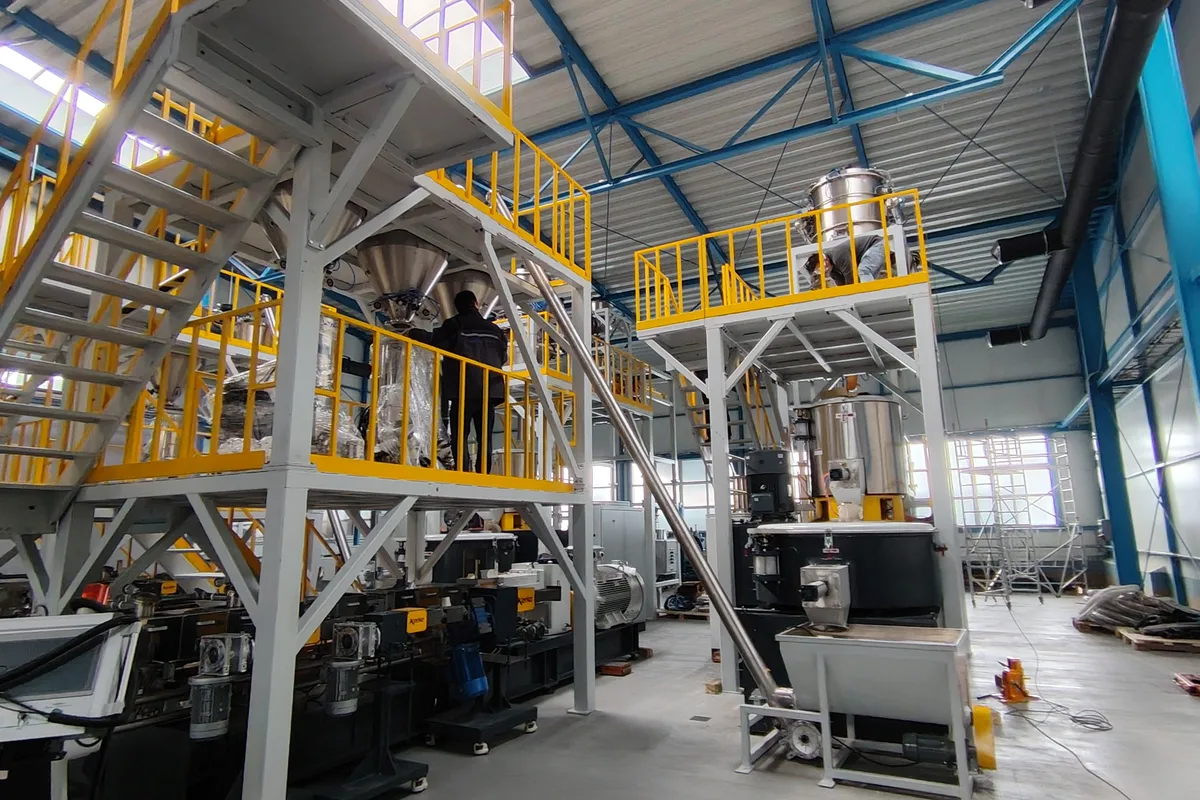 Biodegradable Plastic Extrusion — workshop photo 1, Kerke workshop, Nanjing
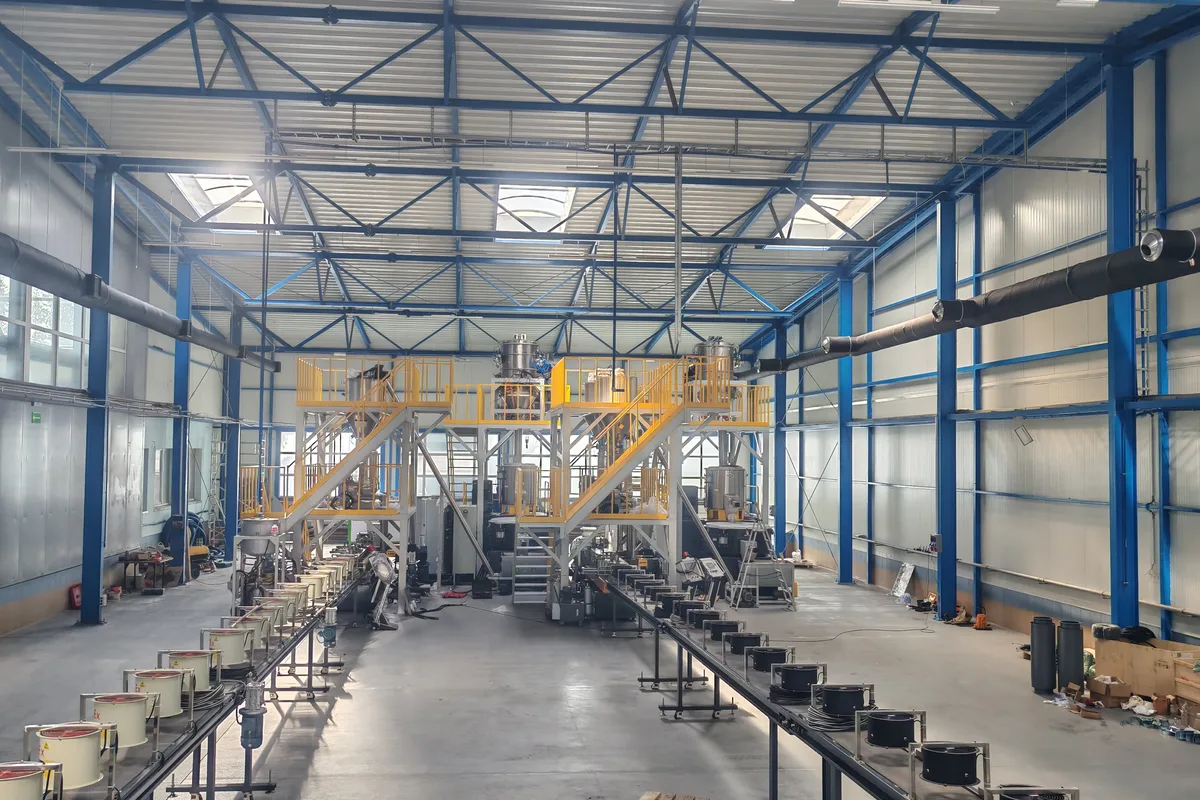 Biodegradable Plastic Extrusion — workshop photo 2, Kerke workshop, Nanjing
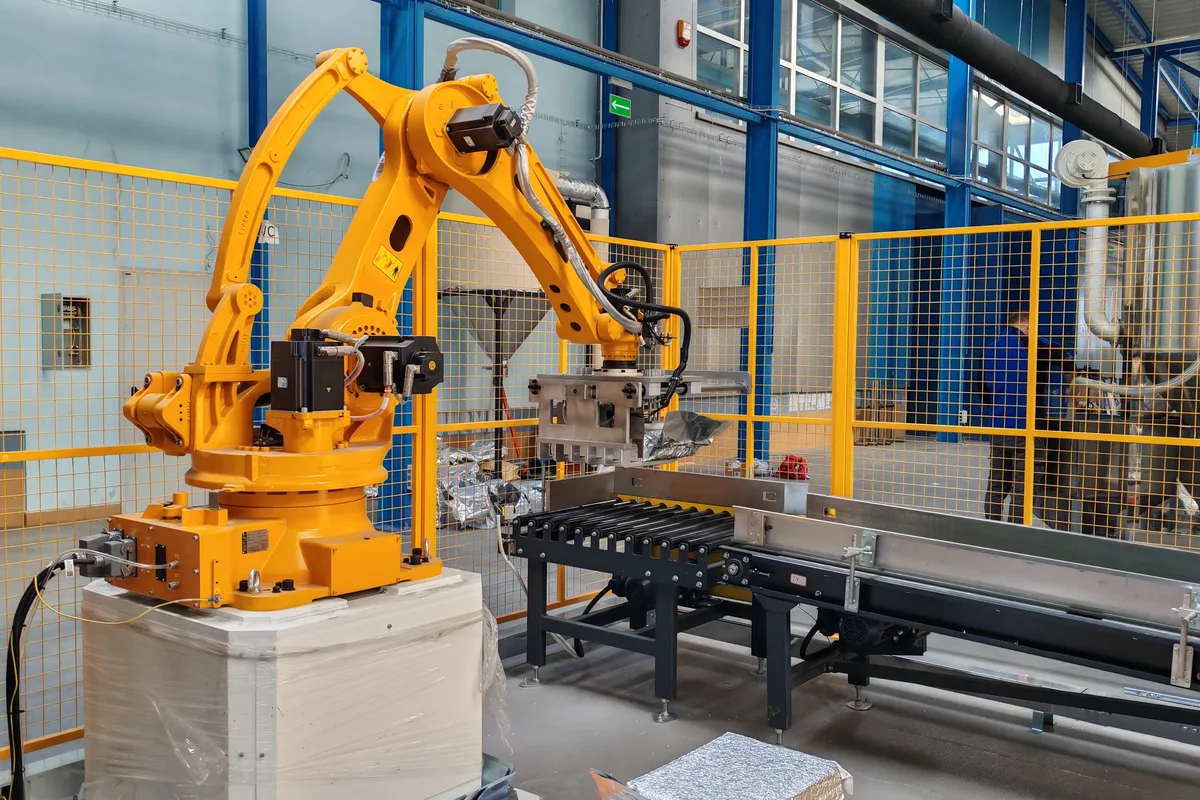 Biodegradable Plastic Extrusion — workshop photo 3, Kerke workshop, Nanjing
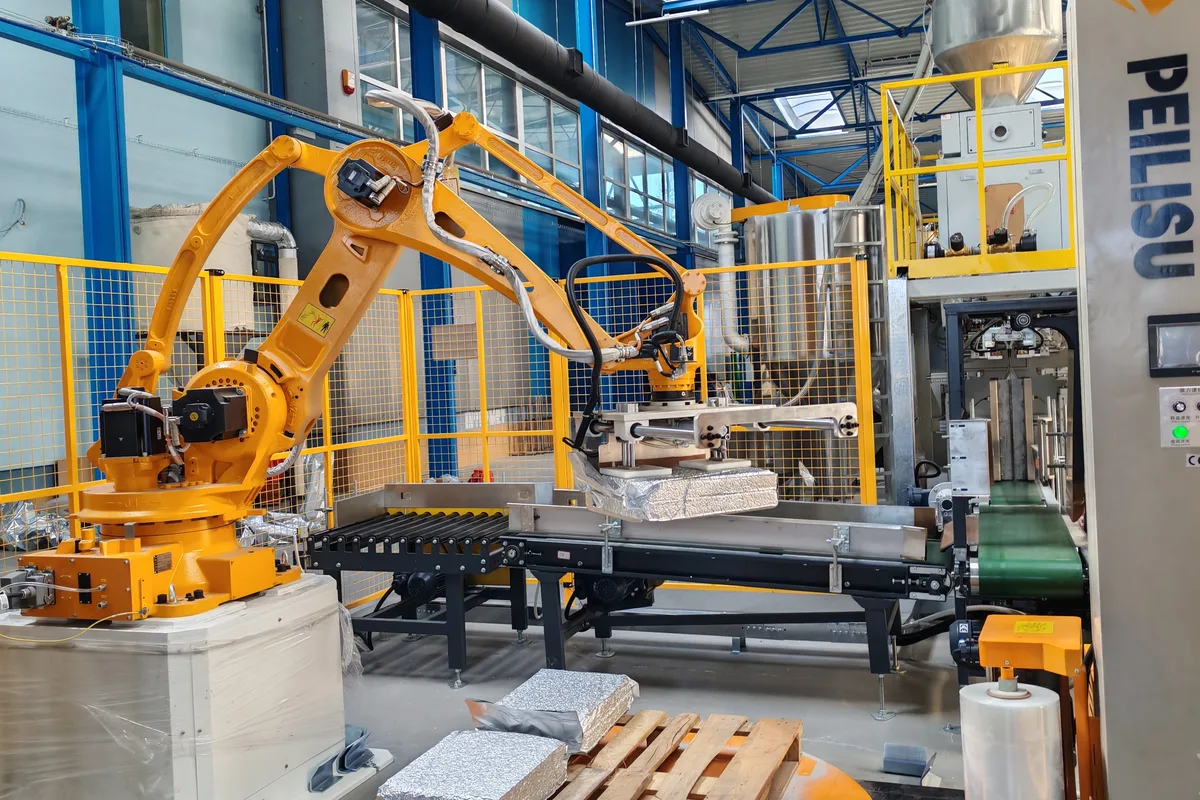 Biodegradable Plastic Extrusion — workshop photo 4, Kerke workshop, Nanjing
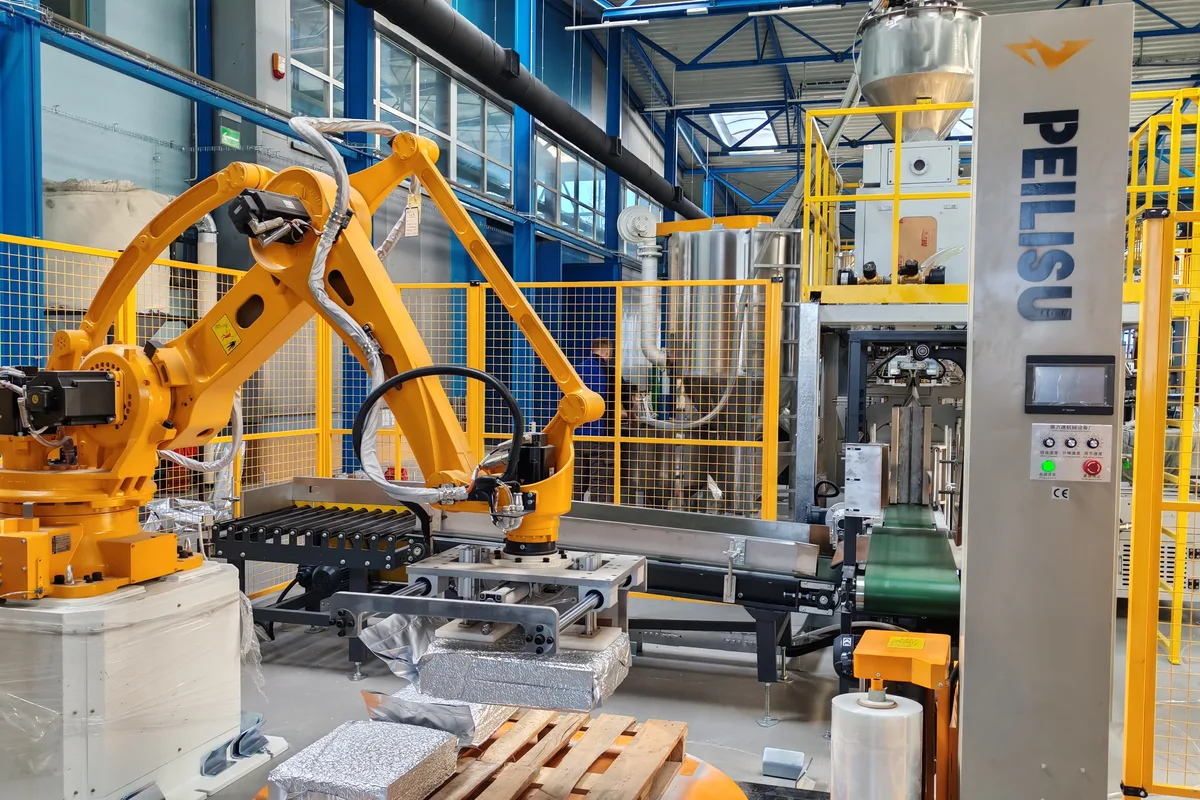 Biodegradable Plastic Extrusion — workshop photo 5, Kerke workshop, Nanjing
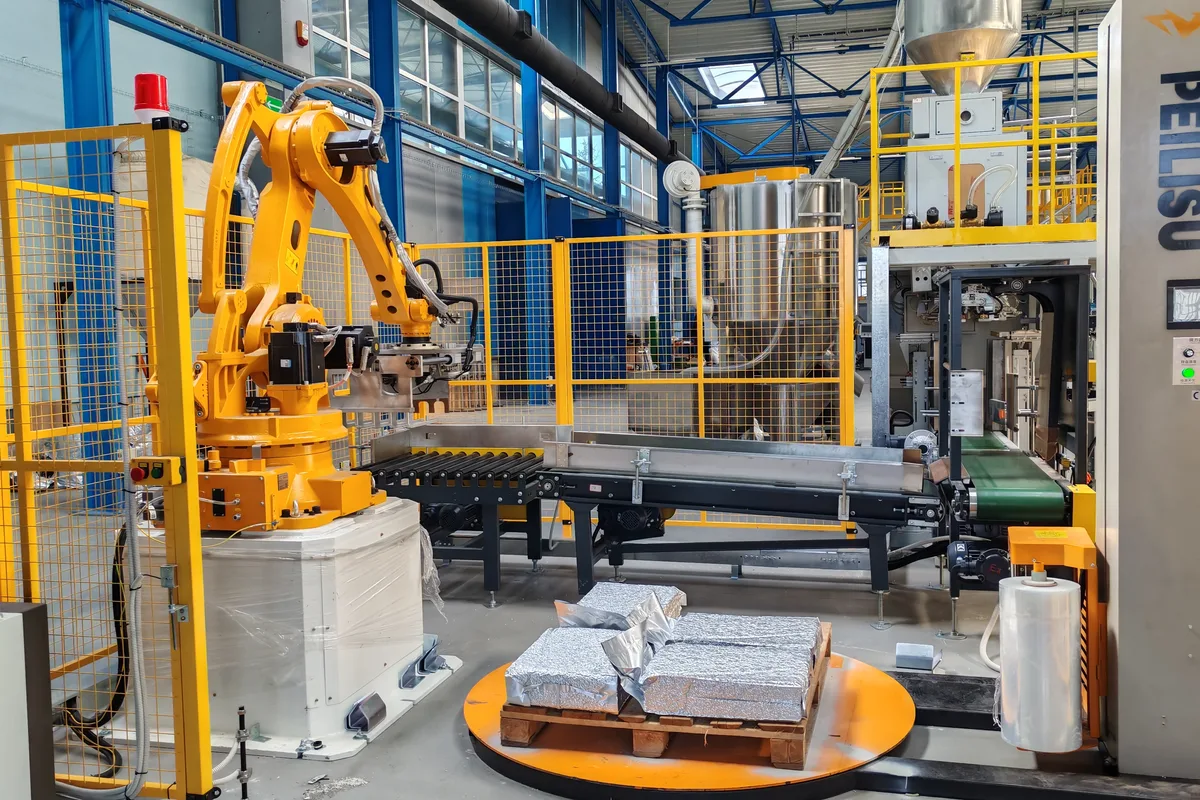 Biodegradable Plastic Extrusion — workshop photo 6, Kerke workshop, Nanjing
Quick answer
Biodegradable compounds (PLA, starch-based, PBAT, PBAT/PLA blends) run at 120–180 °C with L/D 40–48 and gentle screw designs that protect molecular weight. Output 100–1,000 kg/h. Air-cooled strand pelletizing is preferred over water cooling to avoid hydrolysis.
Workshop photos and a running video — shot on our own lines, not stock images.
What sets the limit
Starch or PLA is dried to below 300 ppm, metered with plasticizer and compatibilizer, compounded at low shear, devolatilized and strand-pelletized with air cooling.
| Parameter | Value / range |
|---|---|
| Materials | PLA, starch-based, PBAT, PBS, blends |
| Temperature | 120–180 °C (PLA degrades above 200 °C) |
| L/D | 40–48 |
| Pelletizing | Air-cooled strand (protects molecular weight) |
| Output (reference) | 100–1,000 kg/h |
| Model | KTE-50B, KTE-65B |
Output figures are measured on the reference material stated above. Filler grade, bulk density and moisture move output by ±15% — that is why every quotation we issue is tied to a trial report.
Process flow, step by step
- FeedingLoss-in-weight dosing of polymer and filler; side feeder or liquid injection where the formulation needs it.
- Melting and dispersingScrew geometry with 45°/90° kneading blocks; barrel profile 120–180 °C (PLA degrades above 200 °C).
- DevolatilizationVacuum vent at −0.06 to −0.09 MPa removes moisture and volatiles before the die.
- Pressure build-upThrottle or discharge section stabilises die pressure; a melt pump where gauge control matters.
- Pelletizing and packingAir-cooled strand (protects molecular weight); then centrifugal dryer, vibrating screen and bagging.
Equipment configuration
| Stage | Equipment | Why this choice |
|---|---|---|
| Main machine | Co-Rotating Twin Screw Extruder | Architecture follows the filling level and the mixing duty, not the required tonnage. |
| Screw geometry | Building-block elements, W6Mo5Cr4V2, bimetallic liner | Wear package for abrasive filler; mixing blocks only where dispersion demands them. |
| Feeding | Loss-in-weight feeder, side feeder where needed | Recipe accuracy: ±0.5% short term on the weighed component. |
| Pelletizing | Pelletizing system | Chosen by polymer and filler ceiling — water contact is the deciding column. |
| Downstream | Centrifugal dryer, vibrating screen, bagging | Fines below 2% and moisture below the specification of your downstream process. |
Output by model
| Model | Dia. (mm) | Speed (rpm) | Motor (kW) | Torque (N·m) | Output (kg/h) |
|---|---|---|---|---|---|
| KTE-50B | 50.5 | 500–600 | 55–75 | 2×525 | 80–200 |
| KTE-50D | 50.5 | 300–800 | 75–90 | 2×860 | 100–300 |
| KTE-52B | 51.4 | 500–600 | 55–75 | 2×720 | 80–200 |
| KTE-52D | 51.4 | 500–600 | 75–110 | 2×1050 | 100–400 |
| KTE-65B | 62.4 | 500–600 | 90–110 | 2×860 | 200–450 |
| KTE-65D | 62.4 | 300–800 | 132–160 | 2×1530 | 350–600 |
| KTE-75B | 71 | 500–600 | 132–160 | 2×1530 | 300–800 |
| KTE-75D | 71 | 300–800 | 200–315 | 2×2100 | 500–1000 |
| KTE-85B | 85 | 500–600 | 220–315 | 2×2100 | 550–1000 |
| KTE-95B | 93 | 500–600 | 250–315 | 2×3000 | 800–1500 |
| KTE-95D | 93 | 500–800 | 315–500 | 2×4800 | 1000–2000 |
| KTE-135B | 135 | 500–600 | 315–500 | 2×4800 | 1500–3000 |
| KTE-135D | 135 | 500–800 | 500–1000 | 2×7800 | 1500–4000 |
Three mistakes that cost the most
1. Wet starch: steam flashes in the barrel and the strand breaks constantly.
Wet starch: steam flashes in the barrel and the strand breaks constantly.
2. Water bath cooling absorbs moisture back into PLA and hydrolyses it during storage.
Water bath cooling absorbs moisture back into PLA and hydrolyses it during storage.
3. Barrel profile copied from PP masterbatch
Barrel profile copied from PP masterbatch — PLA above 200–210 °C and starch blends drop molecular weight in a step; keep it short (36–40D) and cool, not long and hot.
FAQ
Why air-cooled strand?
PLA and starch-based compounds are hygroscopic; air cooling avoids re-absorbing water and losing molecular weight.
Can the line run 60% starch?
Yes, with a dedicated screw configuration and a side feeder for starch; the limiting factor is usually starch dryness, not the machine.
What output can you guarantee for this application?
The reference band is 100–1,000 kg/h, measured on the stated material. We quote a guaranteed figure only after a trial on your own material, because filler grade, bulk density and moisture move output by ±15%.
Can we run our material before ordering?
Yes — send 25–50 kg. We return pellets, a running video and a report with temperatures, screw speed, feeder settings and output per hour. The trial is free; you cover the freight.
What is the delivery time?
30–45 working days for standard configurations, 45–70 for custom screw geometry and ODM work. Voltage and frequency are built for the destination country.
Where these numbers come from
Parameters are taken from the Kerke product parameter table and the product master data sheet, and cross-checked against commissioning records for lines in the same application. Formulations and temperature windows are typical industry values, not a recommendation for your specific compound — every figure marked reference must be confirmed on a material trial before it becomes a contractual number.
Reviewed by the Kerke process team, Nanjing. Page updated 6 November 2026.
Send 25–50 kg and we run it on our lab extruder: pellets, running video and a capacity report back in 3–7 days.
Biodegradable plastic extrusion — the short version
Note on biodegradable plastic extrusion: the numbers above are reference ranges from Kerke's own trial runs, not catalogue promises. Screw geometry, wear package and pelletizing method are set on the trial bench first, so the output you compare is the output you get. If your grade is not in the tables, send it — the closest configuration is usually a change of screw set, not a different machine.
Related on this site: Machine range: KTE-50B to 135D · Pelletizing methods compared · quotation and free trial · Wikipedia: Masterbatch