
Machine · Gravimetric feeding
Gravimetric Feeding Systems
Masterbatch is a recipe by weight, and every percent of feeding error becomes a percent of product error. The feeder is the cheapest place to buy accuracy. A reference gravimetric feeding system page from Kerke.
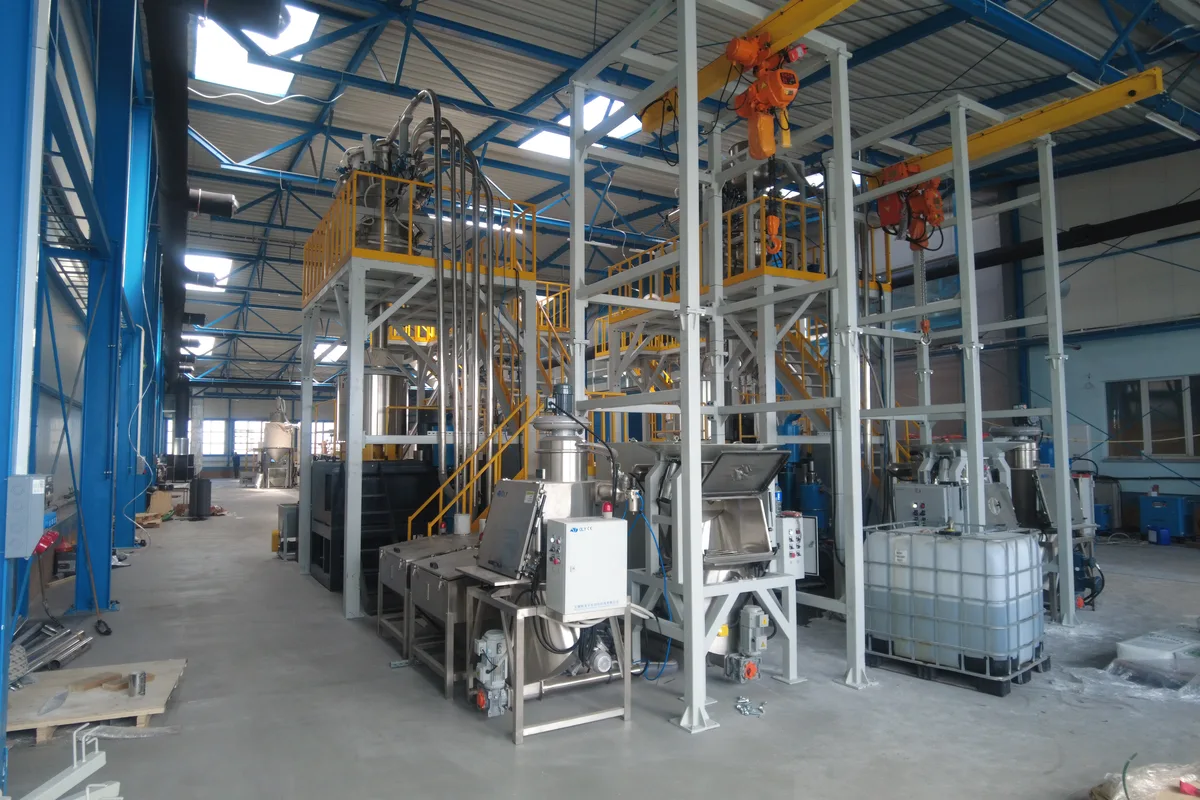 Gravimetric feeding — workshop photo 1, Kerke workshop, Nanjing
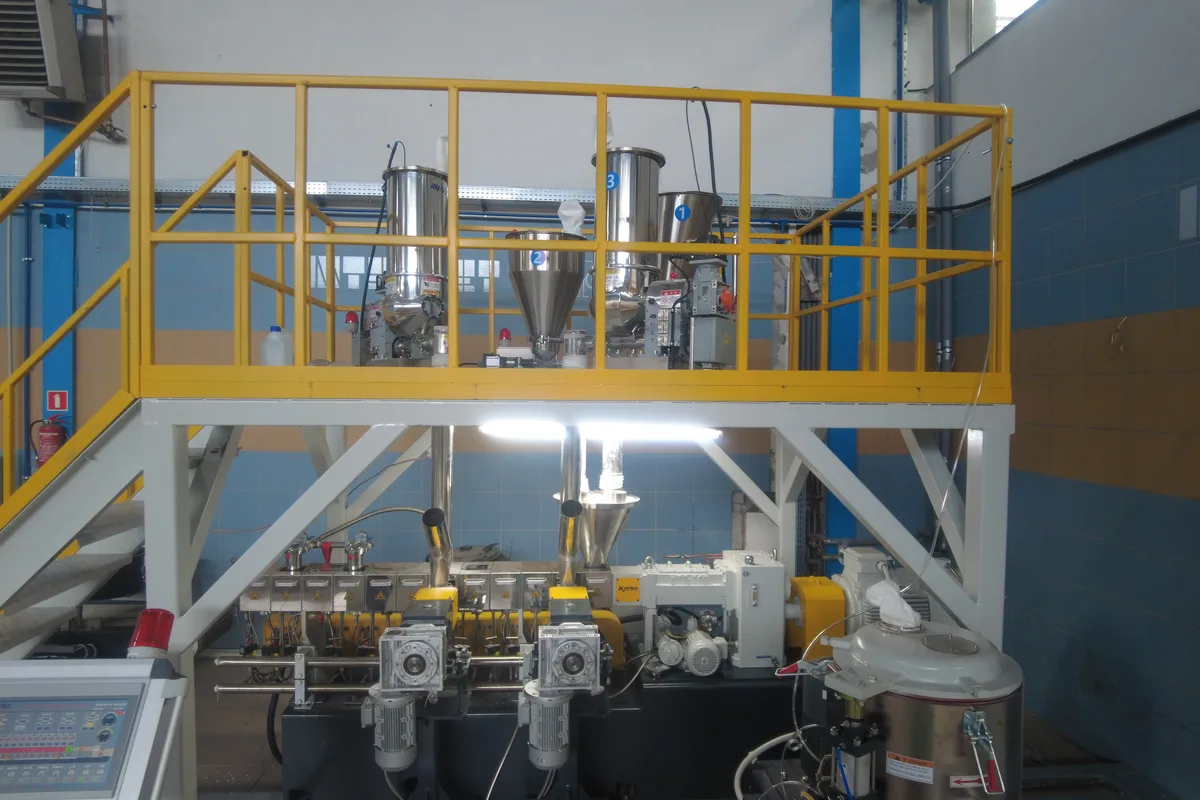 Gravimetric feeding — workshop photo 2, Kerke workshop, Nanjing
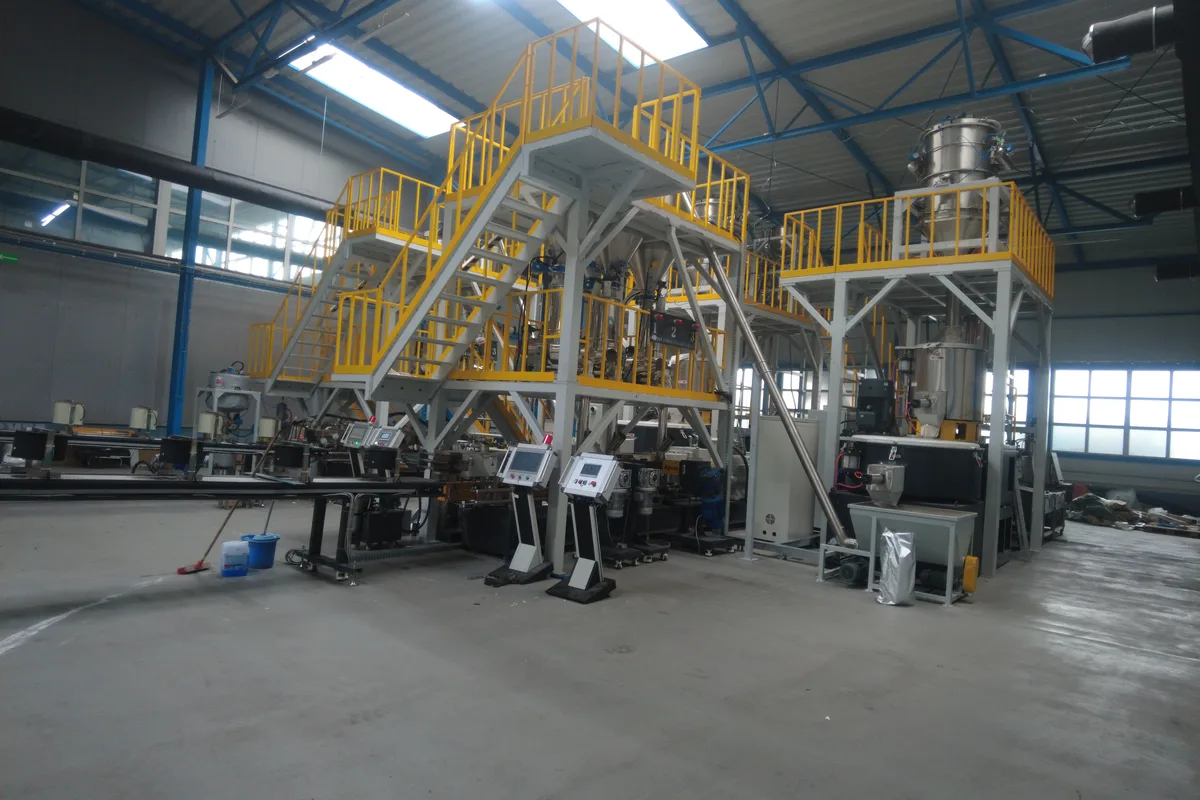 Gravimetric feeding — workshop photo 3, Kerke workshop, Nanjing
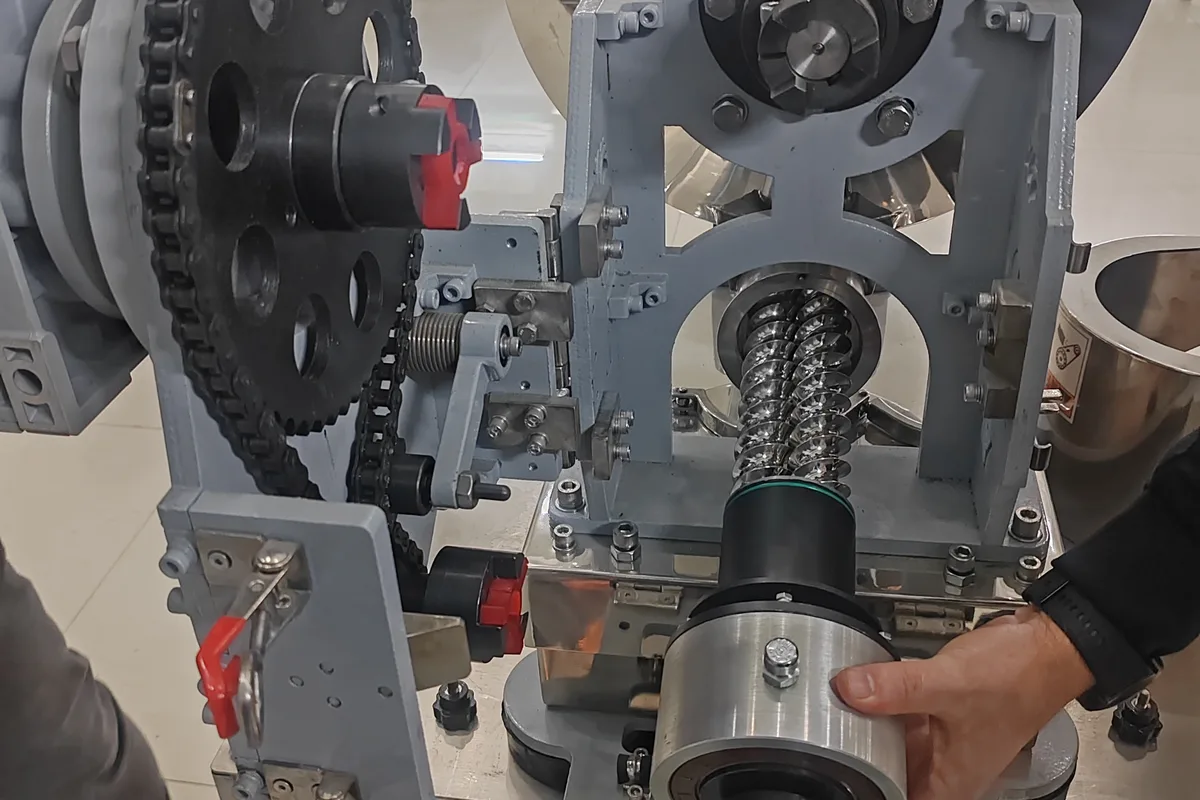 Gravimetric feeding — workshop photo 4, Kerke workshop, Nanjing
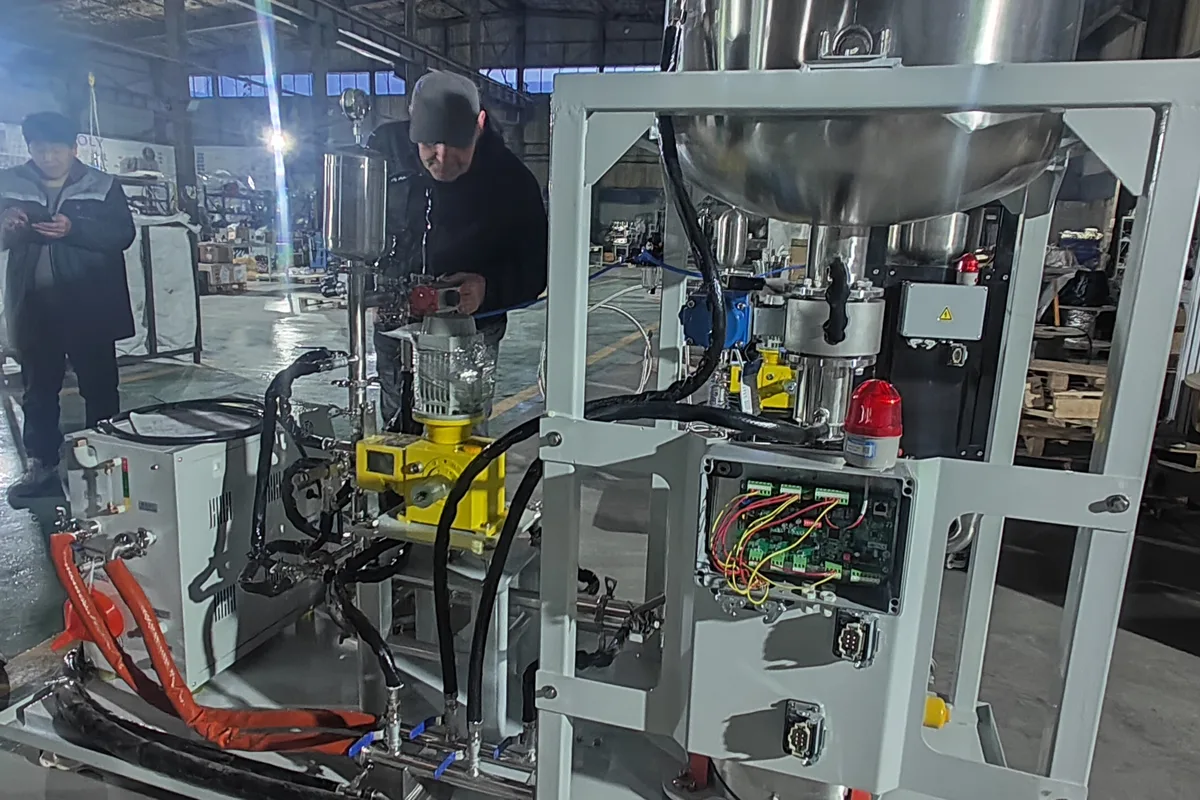 Gravimetric feeding — workshop photo 5, Kerke workshop, Nanjing
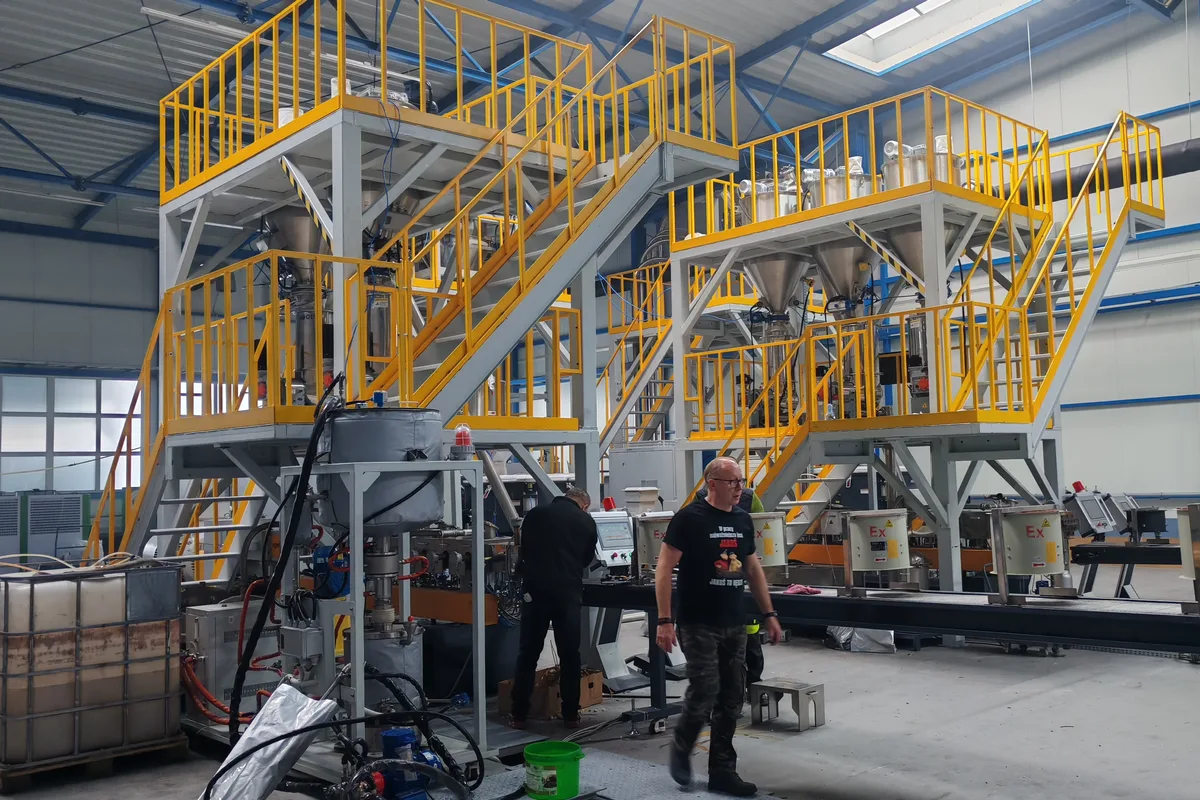 Gravimetric feeding — workshop photo 6, Kerke workshop, Nanjing
Quick answer
Gravimetric feeders dose masterbatch and additive streams at ±0.5% accuracy in closed loop, from 1 kg/h to 800 kg/h per feeder, at a 5–10:1 dosing ratio against the main stream. They are the difference between a formulation that repeats and one that drifts — especially with pigments at 0.5% of throughput.
Workshop photos and a running video — shot on our own lines, not stock images.
Parameter table
| Feeder | Dosing range | Typical use | Accuracy |
|---|---|---|---|
| GS-1 | 1–5 kg/h | Pigment, additive, peroxide | ±0.5% |
| GS-3 | 3–15 kg/h | Masterbatch carrier, small streams | ±0.5% |
| GS-15 | 15–60 kg/h | Filler, CaCO3 premix | ±0.5% |
| GS-50 | 50–800 kg/h | Main resin stream, high filler | ±0.5% |
Reference output measured on the stated material family; subject to a material trial. Motor and torque values are per machine, not per screw shaft.
Why weight, not volume
Volumetric feeders drift with bulk density, humidity and hopper level — typically 2–5% over a shift, which is enough to fail a colour match or a flame test. Loss-in-weight feeders weigh the hopper continuously and correct screw speed in closed loop, holding ±0.5%.
Site calibration, in four steps
- Weigh 20 kg of the actual material; enter bulk density.
- Run 3 minutes at 50% speed; compare delivered weight with setpoint.
- Adjust the K-factor; repeat at 25% and 75% speed.
- Record the calibration sheet — repeat after any material change.
Every line we ship includes a calibration sheet template and the Chinese/English procedure.
What this machine is normally bought for
Color Masterbatch Extruder Line
Colour masterbatch is a dispersion business with a cleaning problem attached: the same line has to make 20% pigment di…
Functional Masterbatch Line
Functional masterbatch is a temperature-control problem, not a shear problem. Every active ingredient has a ceiling — …
Engineering Plastics Compounding Line
Engineering plastics punish shortcuts in two places: drying (PA and PC want 120 °C for four hours, not 80 °C overnight…
FAQ
Do I need loss-in-weight or volumetric feeding?
Loss-in-weight for anything above 80% filler, for colour, and for additives below 2%. Volumetric feeding drifts with bulk density and is only acceptable for stable, coarse granules.
How many feeders does a filler masterbatch line need?
Two: CaCO3 and carrier. A functional masterbatch line needs three to five, plus a liquid injection pump for the coupling agent.
What accuracy is realistic?
±0.5% short-term on the weighed component for a well-installed loss-in-weight feeder; the practical limit is usually vibration and refill strategy, not the load cell.
Where these numbers come from
Screw diameters, speeds, motor ratings, torque and reference output come from the Kerke parameter table and the product master data sheet, and are cross-checked against commissioning records. Where a catalogue value and a trial value disagree, the trial value is the one we quote.
Reviewed by the Kerke process team, Nanjing. Page updated 12 November 2026.
Send 25–50 kg — we return pellets, a video and a report with the parameters we used, in 3–7 days.
Gravimetric feeding system — the short version
Note on gravimetric feeding system: what separates one machine from another is torque class, L/D and the wear package matched to your material, not the build standard. Shortlist from the tables, then confirm the choice on a trial with your own powder.
Planning an upgrade this quarter? Send the material and the target output — the configuration comes back within one working day.
Every quotation lists the wear package as a separate line, so its cost is visible from day one.
Questions are answered the same day, in English or Chinese.
Note on gravimetric feeding system: the data on this page was last verified on our own test line in Nanjing.
Not sure which gravimetric feeding system configuration fits? Describe the material and the pellet shape required — we answer with a recommendation, not a brochure.
A gravimetric feeding system from Kerke ships with CE documentation, a test-run record and a recommended spare set.
Related on this site: Extrusion lines by application · Extruder selection guide · free extrusion line quotation · Wikipedia: Twin-screw extruder