
Model · Single screw SE
SE-90 Single Screw Extruder
SE-90 single screw extruder: 90 mm, 37–45 kW, 150–300 kg/h — the first full-time recycling size, with venting and filtration built in.
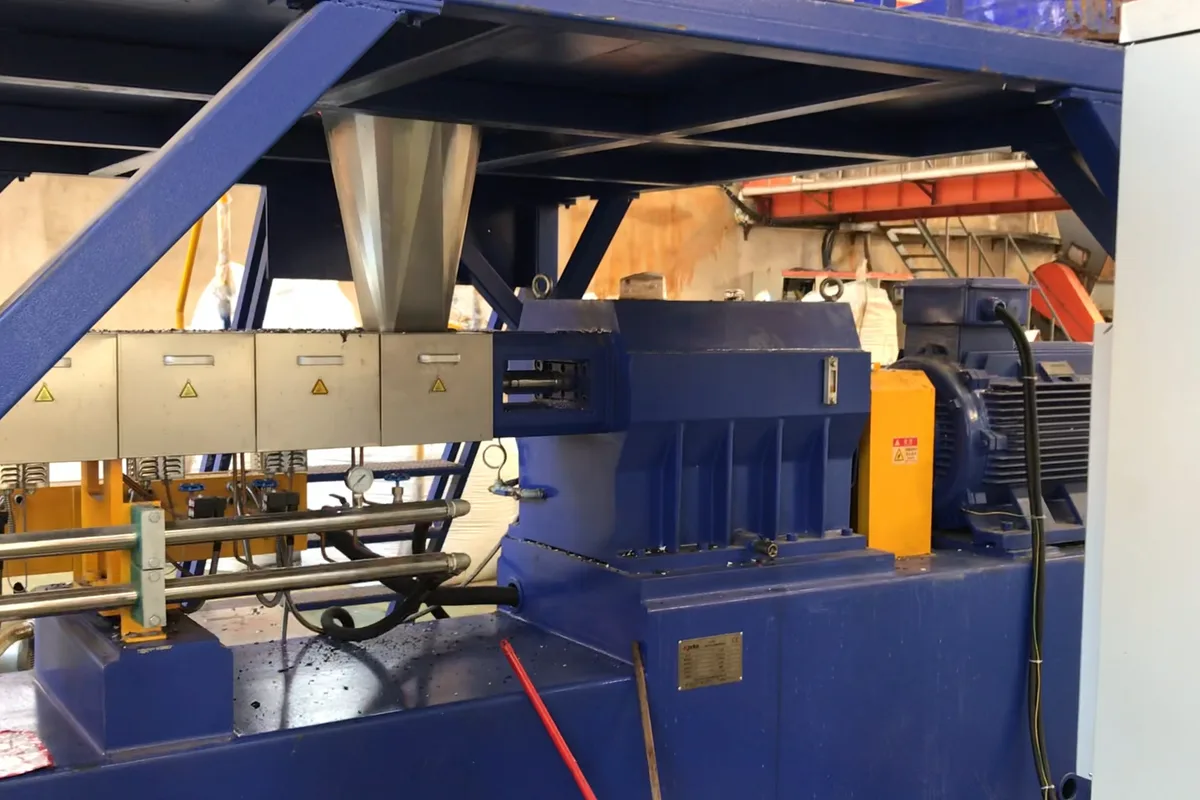 SE-90 single screw extruder — workshop photo 1, Kerke workshop, Nanjing
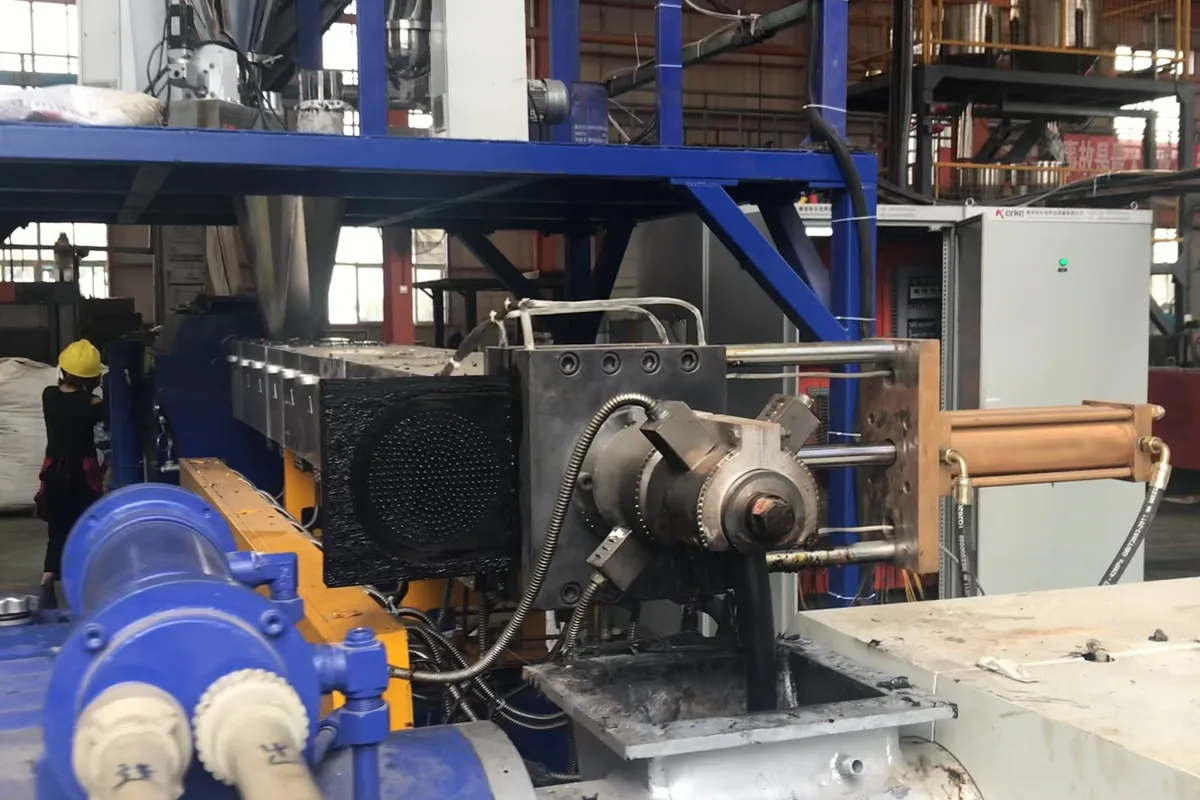 Single screw SE — workshop photo 2, Kerke workshop, Nanjing
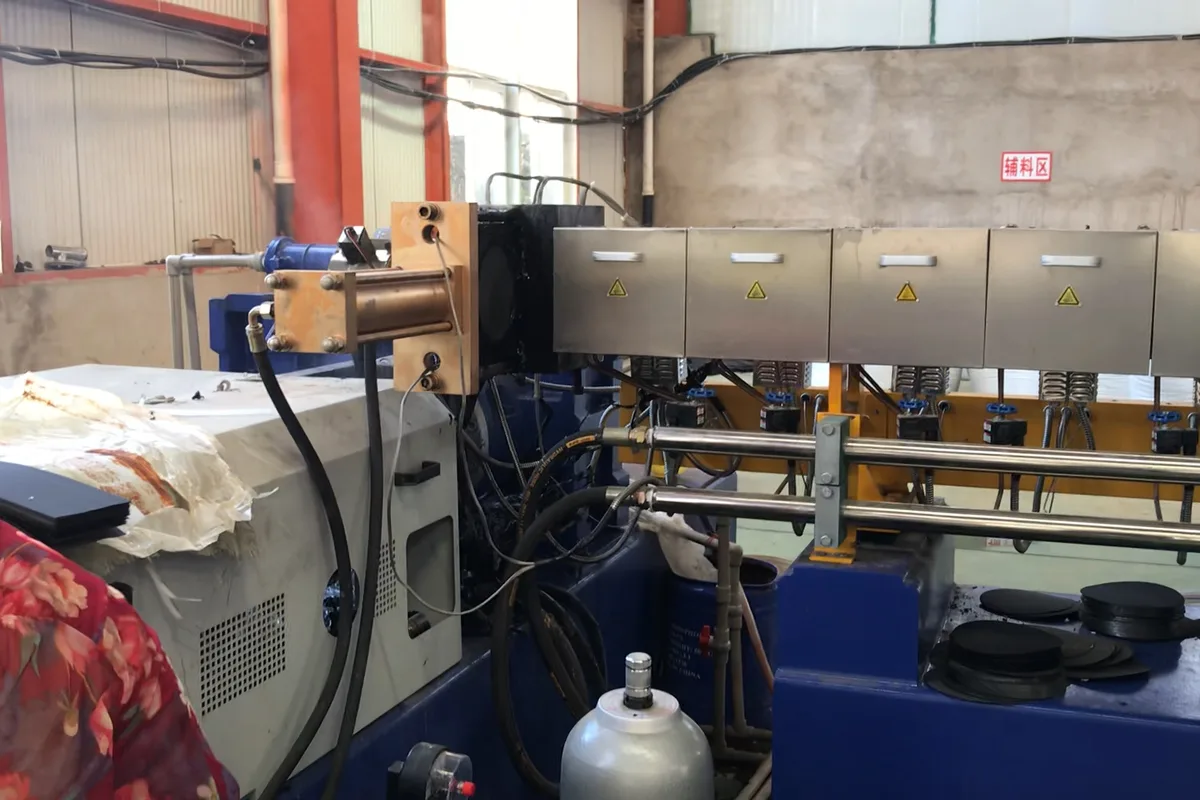 Single screw SE — workshop photo 3, Kerke workshop, Nanjing
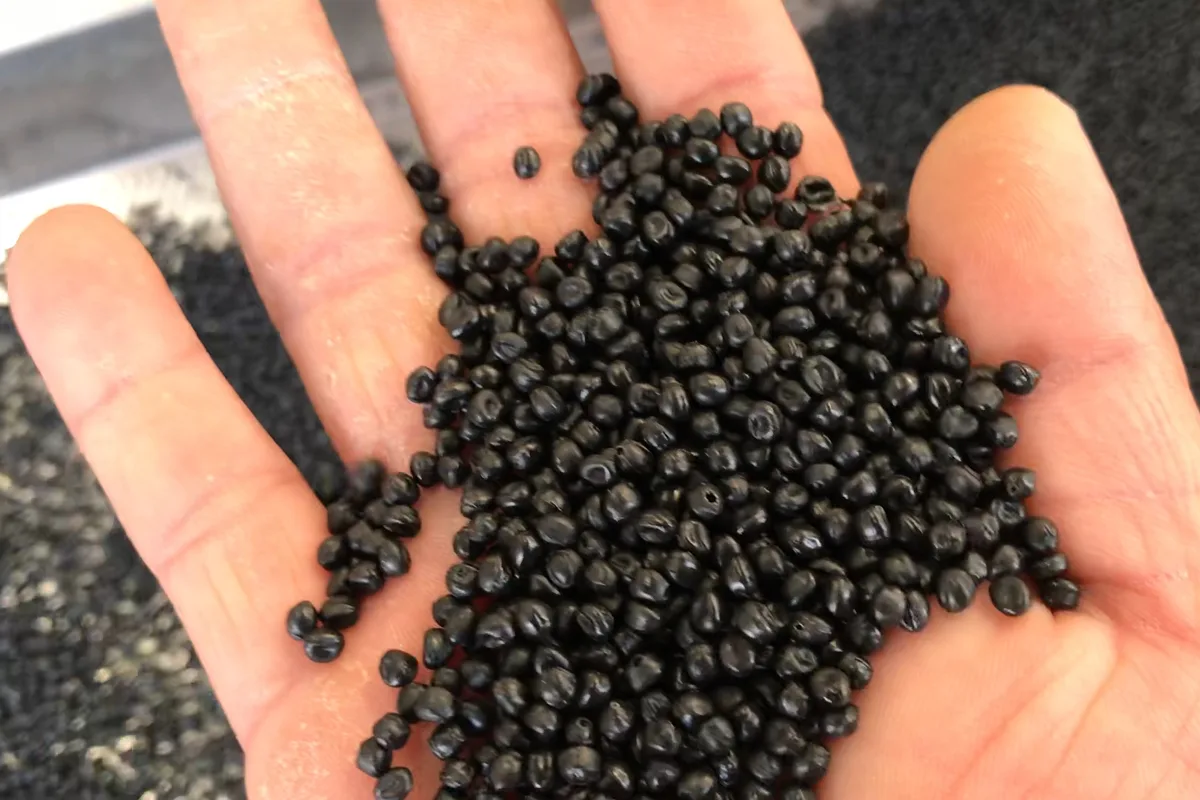 Single screw SE — workshop photo 4, Kerke workshop, Nanjing
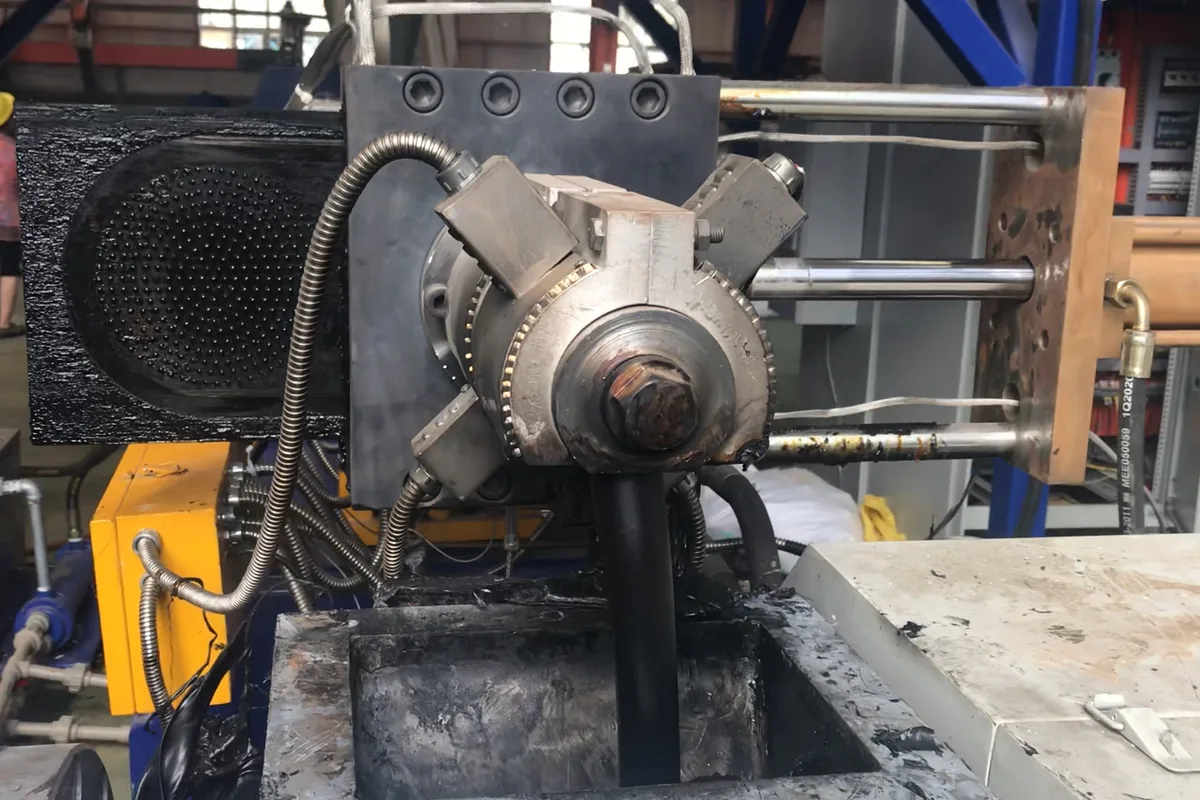 Single screw SE — workshop photo 5, Kerke workshop, Nanjing
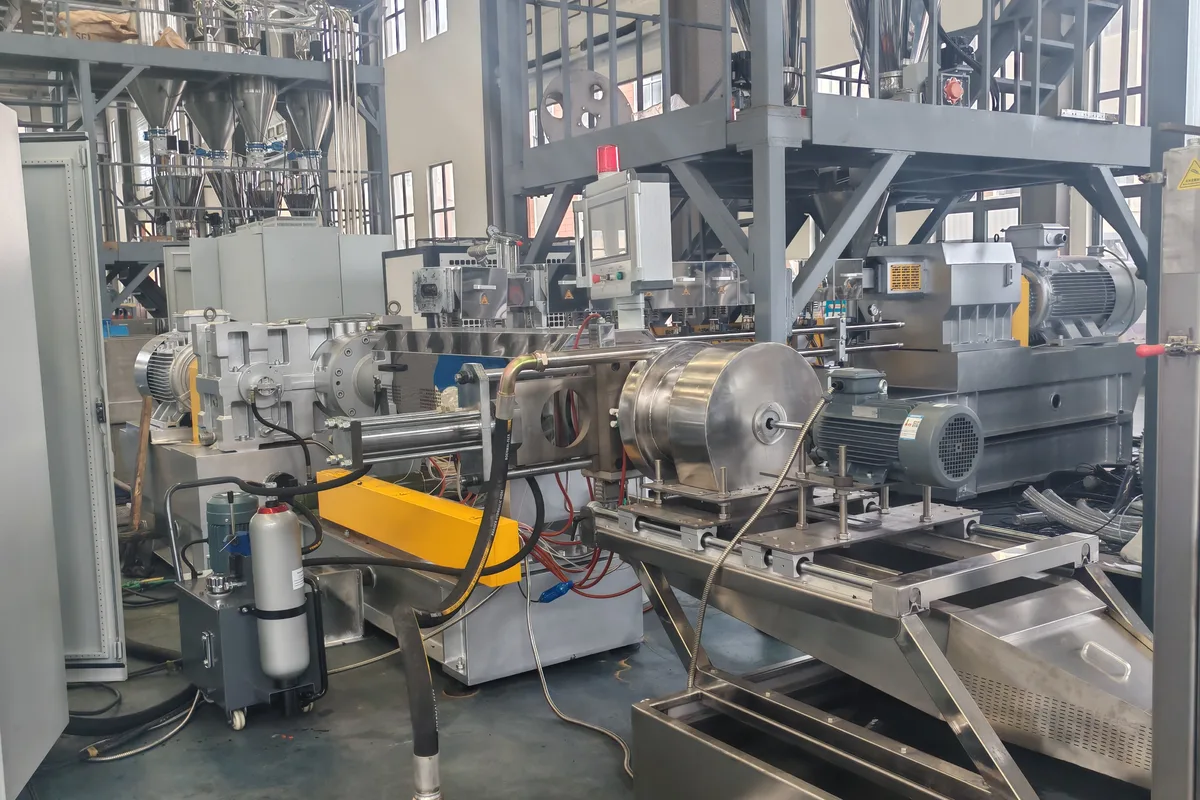 Single screw SE — workshop photo 6, Kerke workshop, Nanjing
Quick answer
The SE-90 is where the SE family becomes a recycling workhorse: 90 mm, L/D 25–33, 37–45 kW, 150–300 kg/h. It handles regrind, agglomerate and washed flake with a forced feeder and hydraulic screen changer as standard quotation items.
Workshop photos and a running video — shot on our own lines, not stock images.
Parameters
| Model | Screw dia. (mm) | L/D | Motor (kW) | Output (kg/h) |
|---|---|---|---|---|
| SE-90 | 90 | 25–33 | 37–45 | 150–300 |
Reference output measured on the stated material family; subject to a material trial. Motor and torque values are per machine, not per screw shaft.
Where it fits in the range
Middle of the ladder: the SE-65 below, the SE-100 (200–400 kg/h) and SE-120 (300–600 kg/h) above. For low-bulk-density film the SE/SE two-stage lines start at the SE-120 / SE-120; as a pressure stage, the SE-150 is the size that pairs with KTE twin screws in the two-stage family.
What it runs
Duties: PP/PE regrind pelletizing at 200 kg/h class, washed flake lines with drying upstream, PVC and cable scrap reprocessing, and pelletizing for compounders' overflow streams.
Configuration options
Every SE model is quoted with the feeding and filtration that its material needs, because a single screw only works as well as what is pushed into it. On a SE-90 line the options that matter: forced feeder for low-bulk-density regrind, hydraulic screen changer (2–4 screens) for contaminated input, L/D 28 or 33, and strand, water ring or hot-face pelletizing. Barrel and screw metallurgy follows the abrasive load of the scrap stream.
FAQ
What output can I expect on washed film flake?
Plan 150–220 kg/h depending on flake bulk density and drying quality; the 300 kg/h top of the band belongs to dense regrind. Pre-compaction recovers much of the difference.
Is a vacuum vent worth adding at this size?
On washed and lightly printed materials, yes — a vent at L/D 33 removes the moisture that would otherwise show as porosity in the pellets. It is a factory-fitted option, not a retrofit.
SE-90 or SE-100 — what actually differs?
Bore and motor: 100 mm and 45–55 kW against 90 mm and 37–45 kW. The 100 buys 50–100 kg/h of band; the 90 is the better price if the forecast stays under 250.
Where these numbers come from
Parameters come from the Kerke parameter table and product master data sheet, cross-checked against commissioning records for the same model and duty. Where a catalogue value and a trial value disagree, the trial value is the one we quote.
Reviewed by the Kerke process team, Nanjing. Page updated 6 November 2026.
Send 25–50 kg — we return pellets, a video and a report with the parameters we used, in 3–7 days.
SE-90 single screw extruder — the short version
Note on SE-90 single screw extruder: what separates one machine from another is torque class, L/D and the wear package matched to your material, not the build standard. Shortlist from the tables, then confirm the choice on a trial with your own powder.
Planning an upgrade this quarter? Send the material and the target output — the configuration comes back within one working day.
Every quotation lists the wear package as a separate line, so its cost is visible from day one.
Questions are answered the same day, in English or Chinese.
Note on SE-90 single screw extruder: the data on this page was last verified on our own test line in Nanjing.
Not sure which SE-90 single screw extruder configuration fits? Describe the material and the pellet shape required — we answer with a recommendation, not a brochure.
A SE-90 single screw extruder from Kerke ships with CE documentation, a test-run record and a recommended spare set.
Related on this site: Extrusion lines by application · Extruder selection guide · free extrusion line quotation · Wikipedia: Twin-screw extruder